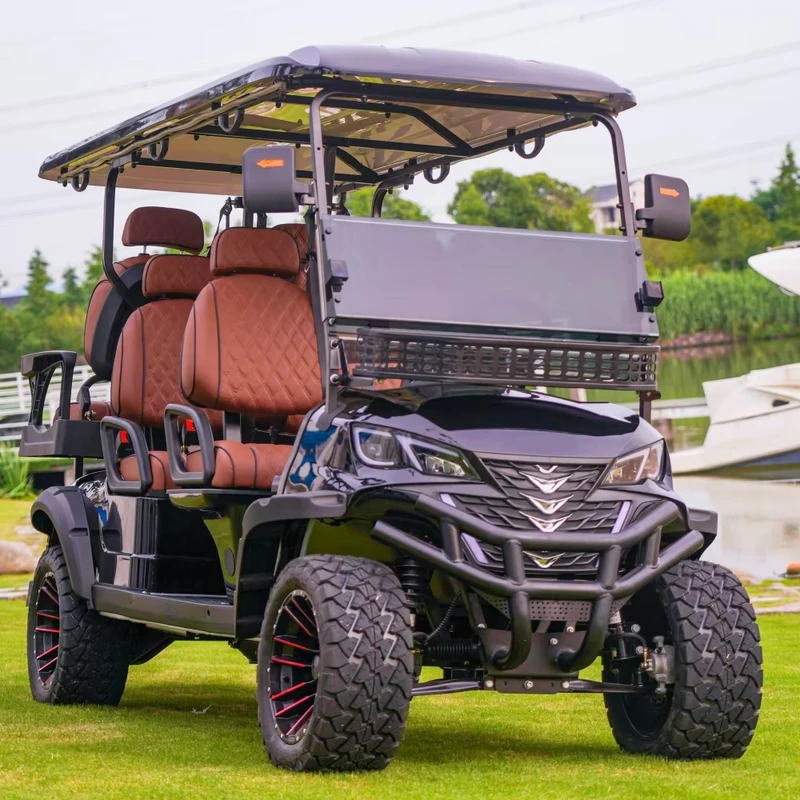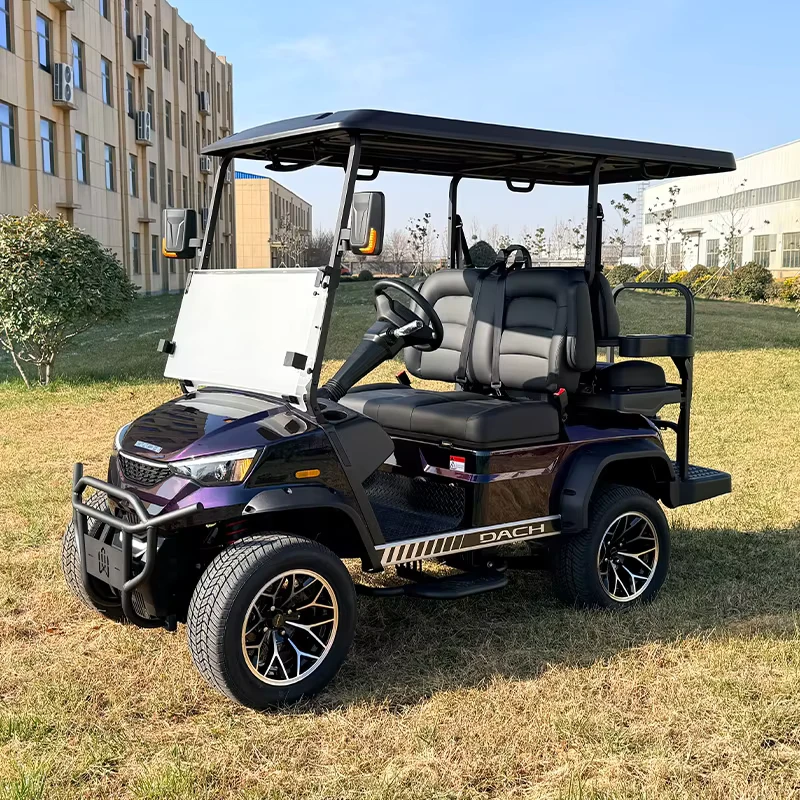

Compare four- and six-seat electric golf carts for resorts, clubs and leisure fleets, with practical guidance for import and project sourcing.
Choosing an electric golf cart for commercial use is not simply a question of color or seating capacity. Importers and project buyers must consider daily routes, terrain, charging schedules, passenger flow and local compliance requirements. A well-matched vehicle can serve golf clubs, resorts, private estates, campuses and leisure destinations while keeping fleet operation quiet and convenient.
Match the Cart to Its Working Environment
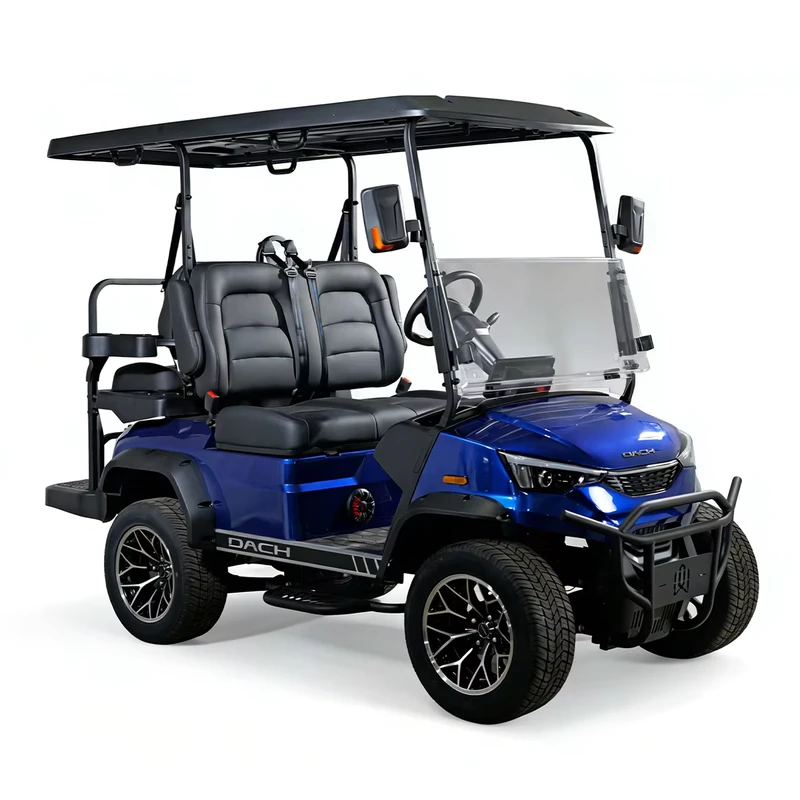
For buyers prioritizing range and compact passenger transport, this four-seat lithium cart combines a 72V 105Ah lithium battery, 6.3kW AC motor and 72V/350A controller. Its listed driving range is at least 90 km, with a 30–50 km/h speed range and grade ability of at least 25 degrees. These specifications make it relevant for properties with longer internal routes or sloped sections.
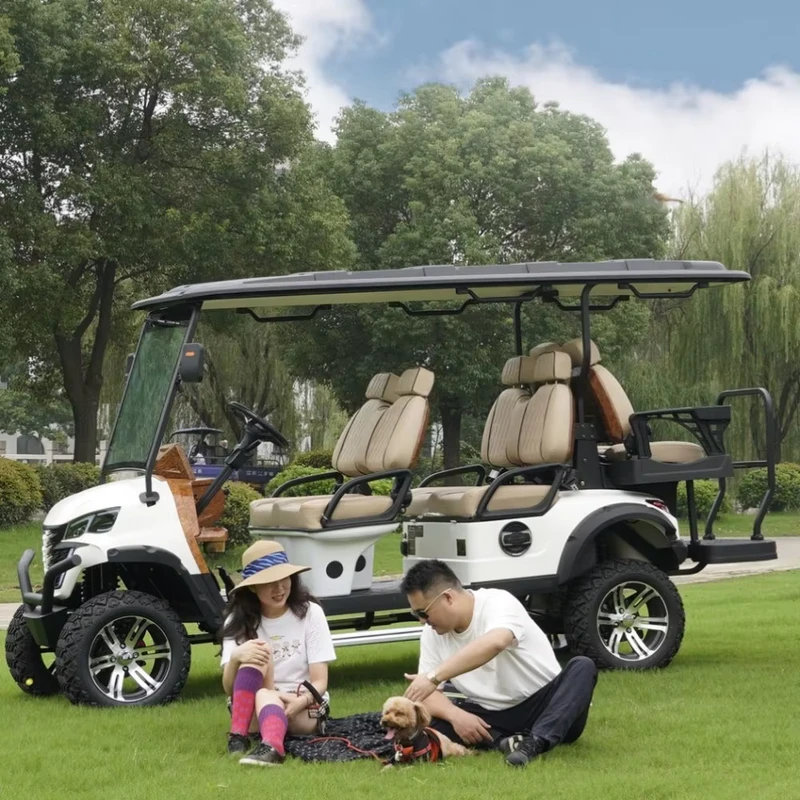
The large-space four-seater provides another configuration for clubs and resorts. It offers lead-acid or lithium battery options, 200–250 mm ground clearance and a listed driving range of 70–90 km. Its spacious format and tail-caddie position can support passenger movement as well as golf-related use.
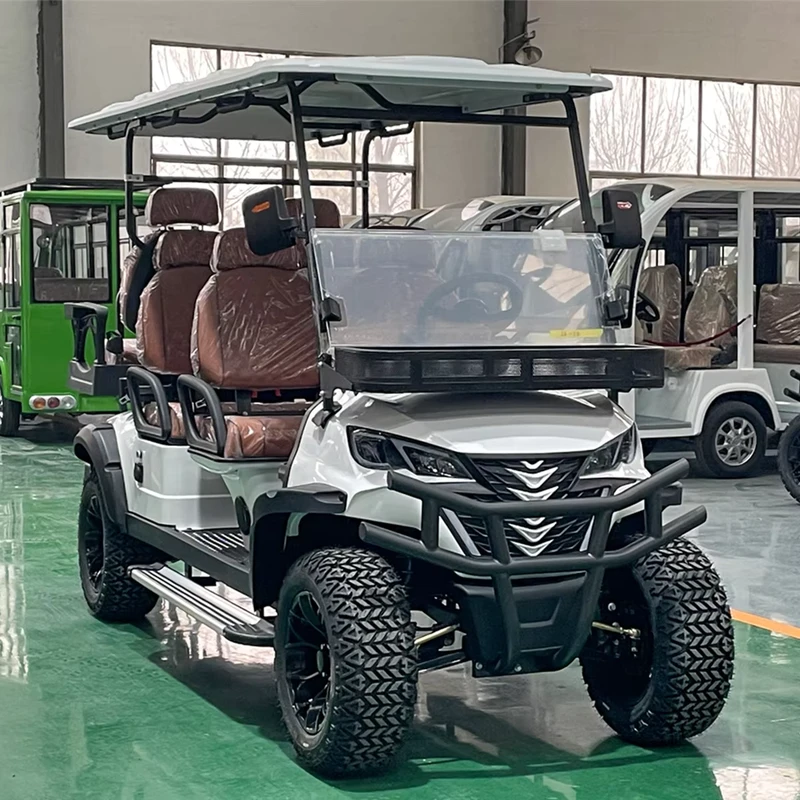
Where higher passenger capacity matters, the six-seat electric cart accommodates five to six occupants. It features a lithium battery, AC controller, 70–90 km listed range and grade ability of at least 25 degrees. Customized colors can also help distributors or property operators align vehicles with brand identity.
Evaluate More Than the Headline Specifications
Before placing an order, buyers should confirm battery chemistry, charger compatibility, certification documents, brake configuration, spare-parts support and packaging dimensions. Comparing the wider selection of four-seat golf carts can also clarify which chassis, clearance and performance level best suits the intended market.
For wholesale, distribution or project procurement, share your destination market, required quantity, operating terrain and preferred configuration to receive a more relevant quotation.